
Regarding industrial automation projects, control panels play a vital role in ensuring the overall success of your system. Industrial control panels act as nerve centers that control and monitor machinery, equipment, and processes. Planning for and specifying control panels early in your project can provide significant benefits. In this post, we explore five reasons why thinking about control panels early in your project planning can save you time, money, and future headaches.
Specify Your Control Panels Early
- Control Panels are Crucial to Project Success
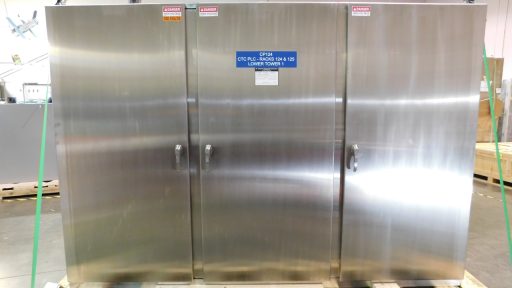
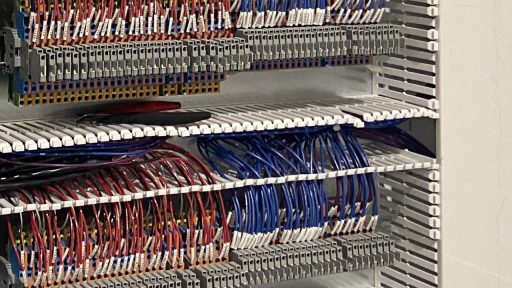
The role of control panels in your automation project cannot be overstated. These panels are designed to house electrical components, such as circuit breakers, relays, and sensors, that regulate and monitor your industrial system. However, specifying the right control panels is far more than just picking a product off the shelf.
Panel specifications are highly detailed and require a comprehensive understanding of the system’s equipment and functions. Finalizing the full specification is often difficult until the equipment is purchased and installed. Delaying the panel specification process until later in the project timeline can result in difficulties ensuring that all the required components work seamlessly together.
When panels are considered early in the planning phase, your team can ensure they are designed to meet the exact needs of the equipment. This leads to better performance and a smoother integration process, ensuring your project reaches its full potential.
- Allows Time to Ensure Your Panels Fully Adhere to Standards
Industrial control panels must meet national and international standards, such as UL 508A, which governs safety and performance requirements. Failure to adhere to these standards can result in costly revisions or delays, especially when inspection issues or field installation errors arise. (If you aren’t sure whether your panels need to comply with UL 508A, read more here.)
Engaging with control panel manufacturers early allows sufficient time to research and select components that comply with necessary standards. Thoroughly reviewed designs and materials can be fully documented and integrated into the project drawings, ensuring that all regulatory and safety standards are met without compromise.
Having detailed panel specifications from the beginning means that shortcuts will not be taken, reducing the likelihood of substandard components or non-compliant designs comprising the final system. This proactive approach helps prevent last-minute issues from hindering your project’s approval and progress.
- Minimizes Unanticipated Issues and Delays
Delaying the panel specification until later in the project increases the risk of facing unforeseen problems. For example, if key components are sourced without clear compatibility, you might face issues due to mismatched or incompatible hardware. These issues can lead to component failures, long lead times, and costly redesigns.
Additionally, panel inspections often occur at critical stages in the process. Failing an inspection due to suboptimal panel design can delay the overall project timeline. When you specify panels early, you give yourself the time to address potential inspection issues and ensure that everything will pass on the first try.
Early involvement in panel specification also minimizes installation delays. Industrial control panels are often a central part of the installation. Therefore, resolving issues and completing detailed documentation early on ensures that when installation time arrives, everything will fit and function properly. This keeps your project on track and avoids the need to “play catch-up” later on.
- Facilitates Smooth Integration
Integration is one of the most critical aspects of an automation project. Control panels must be properly integrated into the broader system to ensure efficient operation. If panels are specified and designed early, it gives your integrators time to thoroughly understand the specifications, assess system compatibility, and prepare for seamless integration.
By taking the time to get the panels right up front, integrators can ensure that the entire system operates smoothly and efficiently. This avoids the “crisis mode” scenario where the focus is on fixing last-minute issues instead of examining overall system functionality.
- Helps You Stay on Schedule and Within Budget
Automation projects are subject to constant changes in requirements as they progress and new situations arise. A key part of managing a successful project is staying on schedule and within budget, which can be challenging when unforeseen issues arise. When control panels are accounted for early, changes can be accommodated without significant disruption.
For instance, if design modifications arise after panel specifications are set, it’s much easier to make adjustments early than to attempt redesigns late in the project. Delaying panel specification could result in unexpected costs due to last-minute changes or the need to expedite orders.
Furthermore, early planning allows you to secure better pricing on components, potentially saving your company money through manufacturer discounts for bulk orders and regular delivery time, reducing rush fees. By addressing control panel specifications and integration early in the process, you can reduce the risk of unexpected costs and ensure that your automation project stays on track.
Save Time and Money with Early Panel Planning
Industrial control panels are more than just components of your automation system; they are crucial to the success of your entire project. Specifying and designing panels early enables you to ensure compliance with regulations and minimize delays, integration issues, and cost overruns. The time spent planning upfront will pay off in smoother project execution and greater operational success. Don’t wait until the last minute to get your panels right—think about them early on to lay the foundation for a successful automation project.